

Horizontal barrier Rügen

Horizontal barrier Rügen

Horizontal barrier Rügen

Permanent wall drying in the event of rising damp

Horizontal barrier on an exterior wall

Humidity and wet Walls are a common problem - especially in older buildings on Rügen. Capillary rising damp can be permanently stopped with a subsequent horizontal barrier. 

The HW system offers you a mechanical, maintenance-free and wall-friendly solution for the sustainable sealing of your masonry.

Damp walls

Damp walls on Rügen - causes and risks

Damp in the walls of houses or apartments often develops insidiously. In old buildings in particular, a functioning horizontal barrier is often missing or has been damaged over time. Without this seal, water from the ground can rise unhindered into the wall.

The consequences are clearly noticeable:

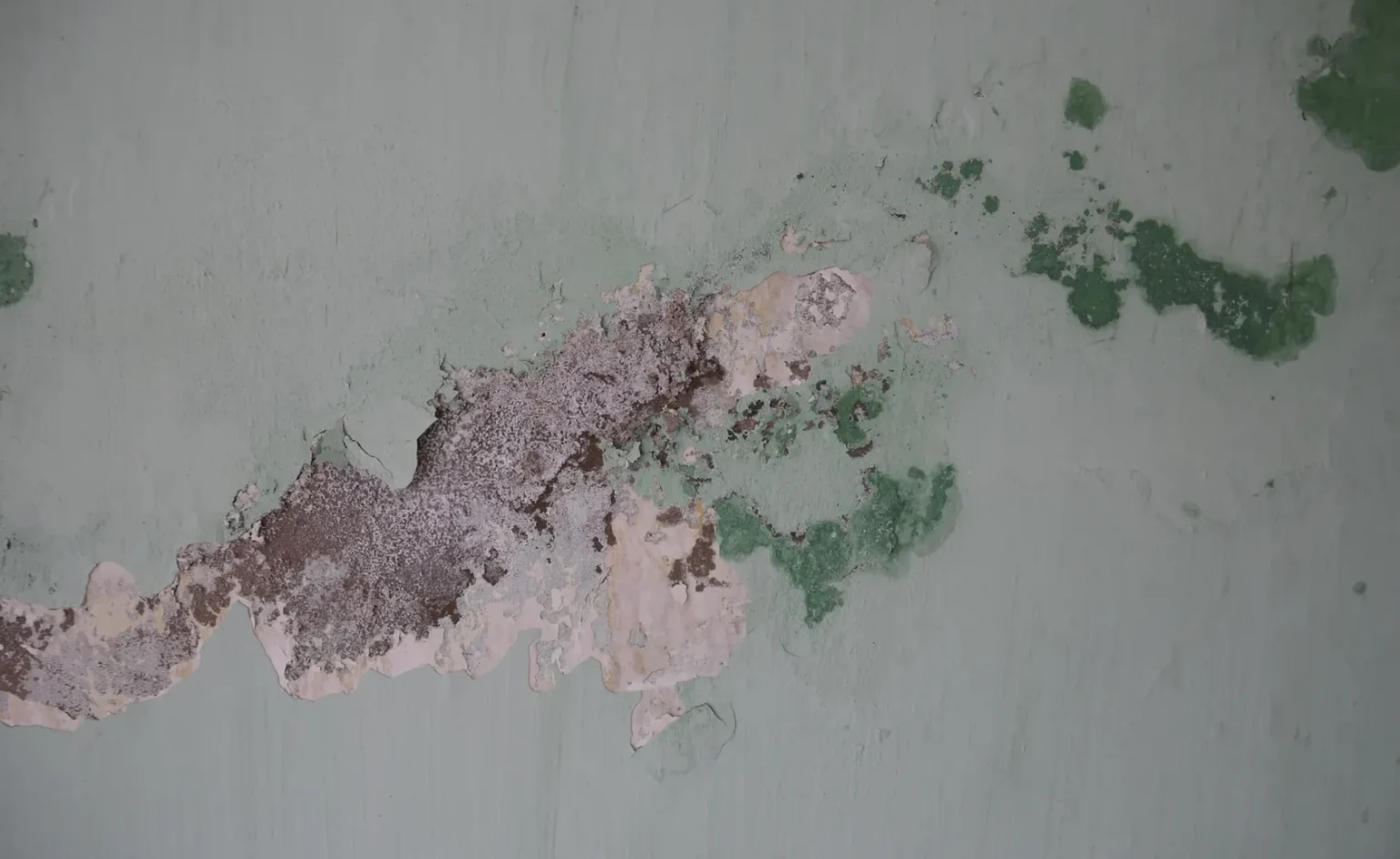
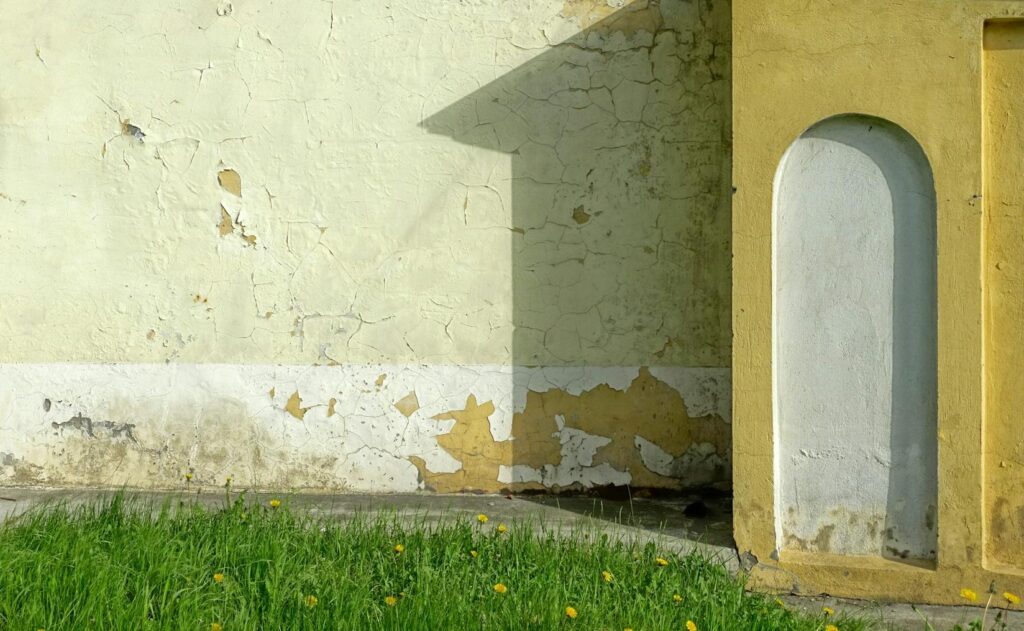
  • Flaking plaster and visible damp patches
  • Musty smell and poor indoor climate
  • Reduced thermal insulation and higher heating costs
  • Mold growth and health risks
  • Long-term damage to the building fabric

Unfortunately, moisture does not disappear by itself. Targeted wall drying prevents consequential damage and seals the masonry in the long term.

Not every

Not every damp wall has the same cause

In practice, there are many different possible causes of damp or water in walls that need to be treated individually. 

The causes include, for example, moisture penetrating the side of the house, weak points in the transition between the wall and the floor, problems with the external waterproofing or a broken horizontal barrier. 

However, moisture damage is often treated prematurely with unsuitable measures. To avoid this, a careful on-site inspection is crucial. Only when it is clear what the cause is can suitable measures be taken to dry out the wall.

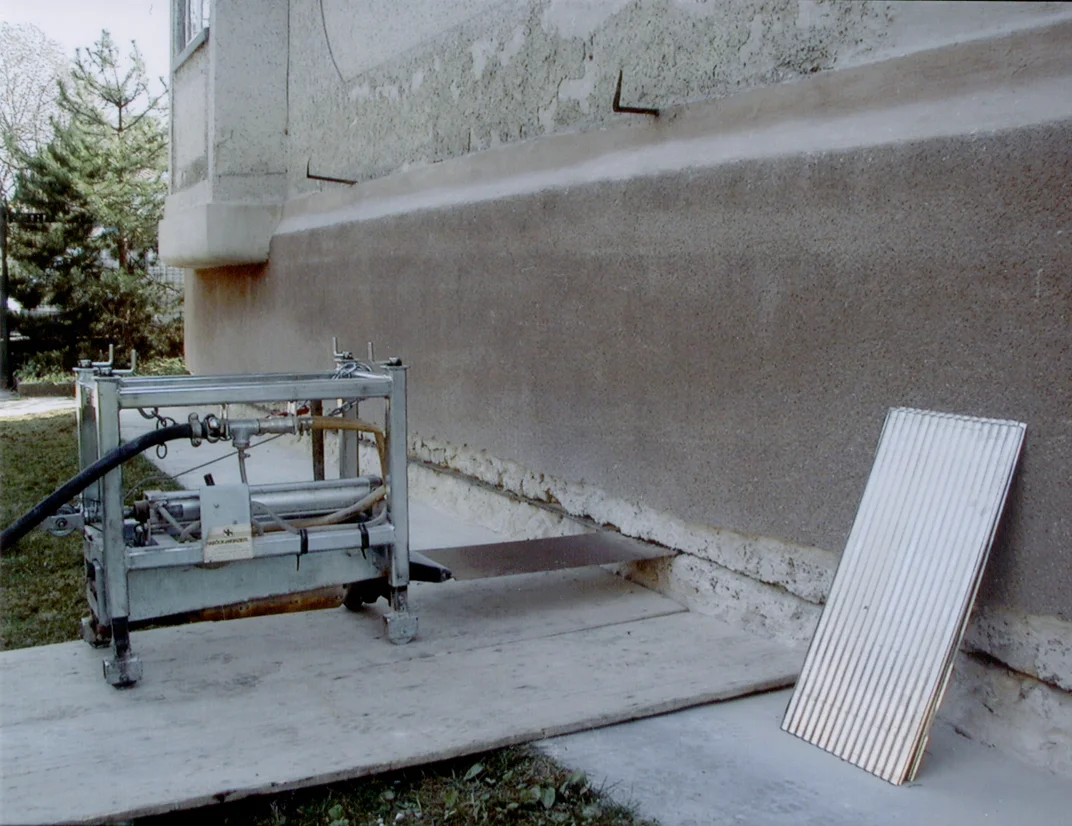
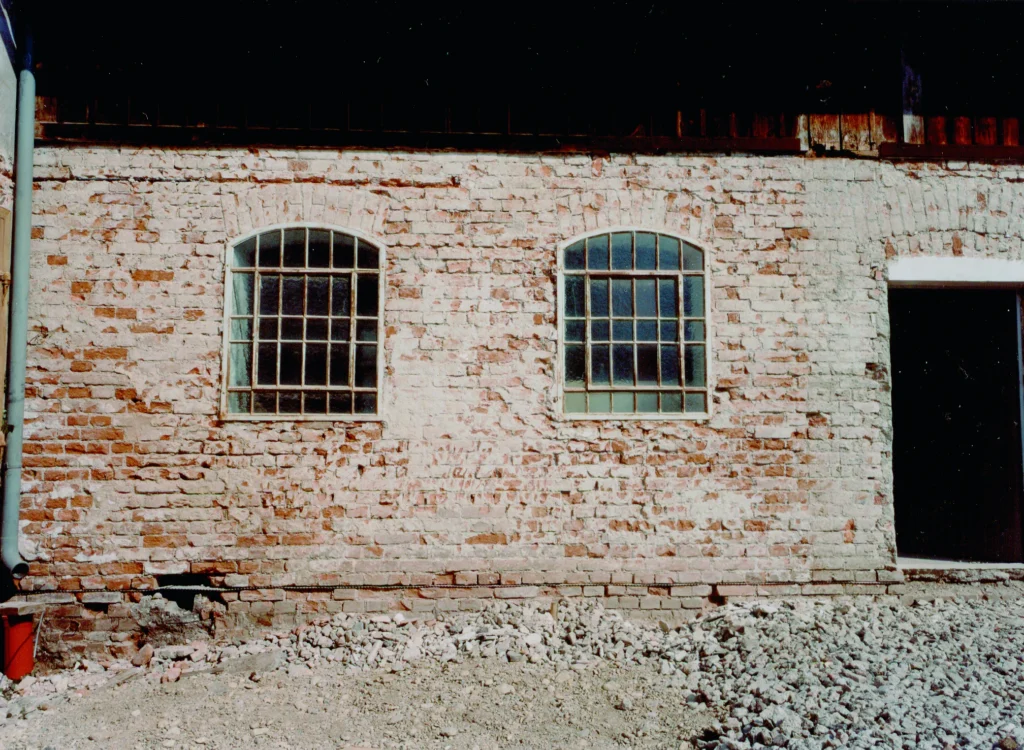
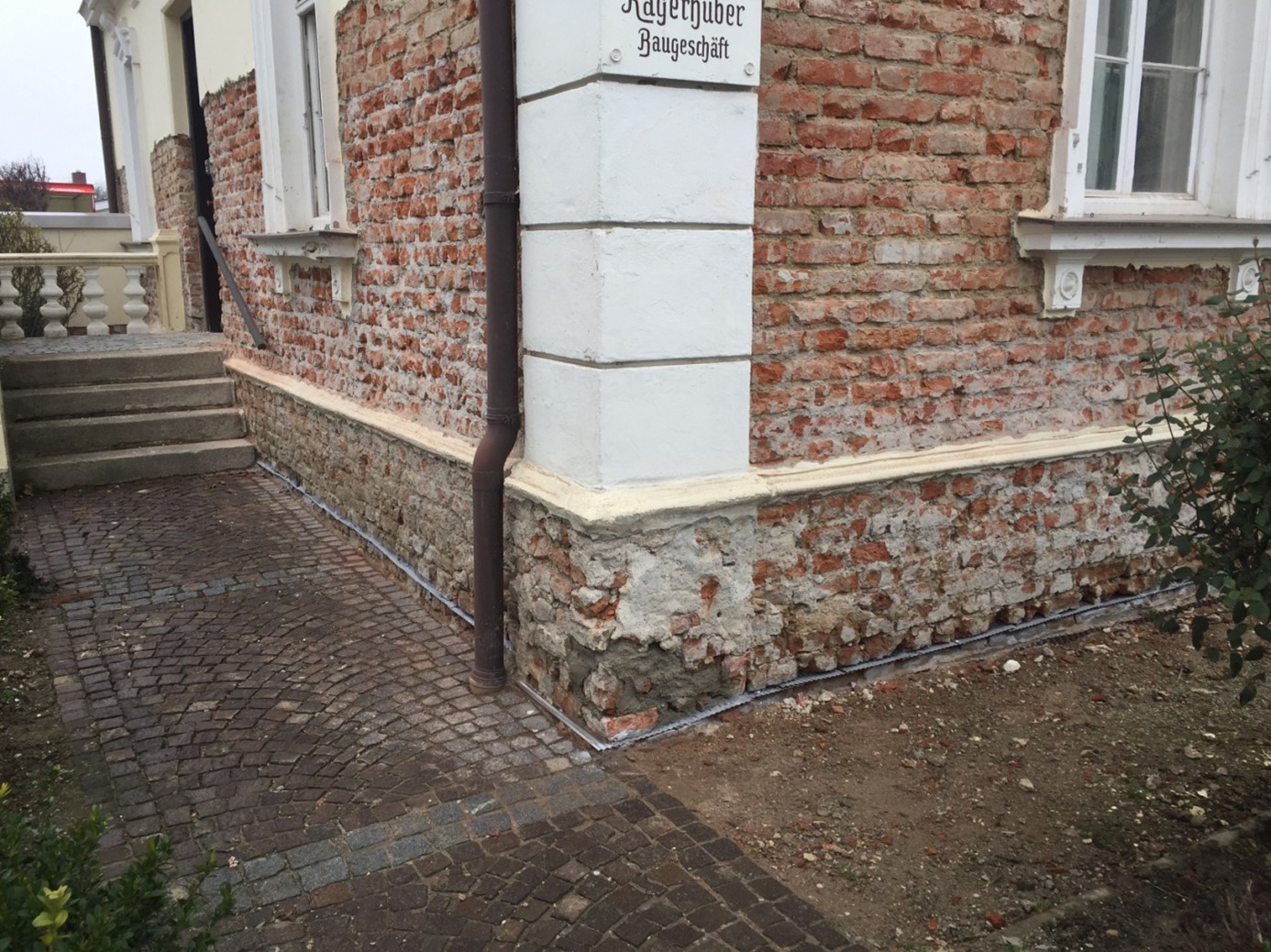
House before renovation
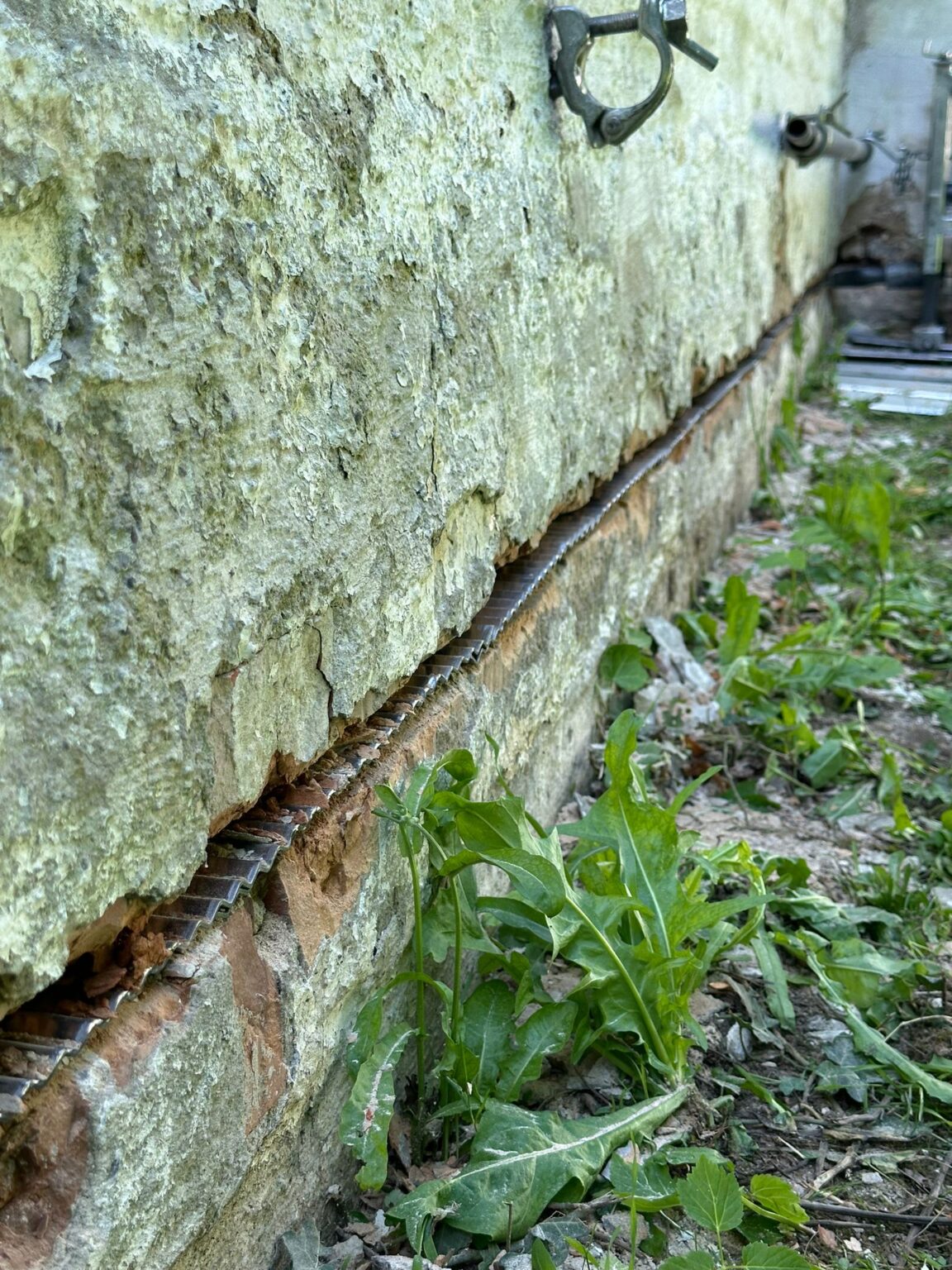
House wall with a built-in horizontal barrier
Effective

Horizontal barrier as an effective solution against rising damp

The subsequent horizontal barrier is a reliable method of permanently preventing capillary rising damp. 

This involves inserting a barrier layer into the masonry of the house to prevent water from being transported further upwards.

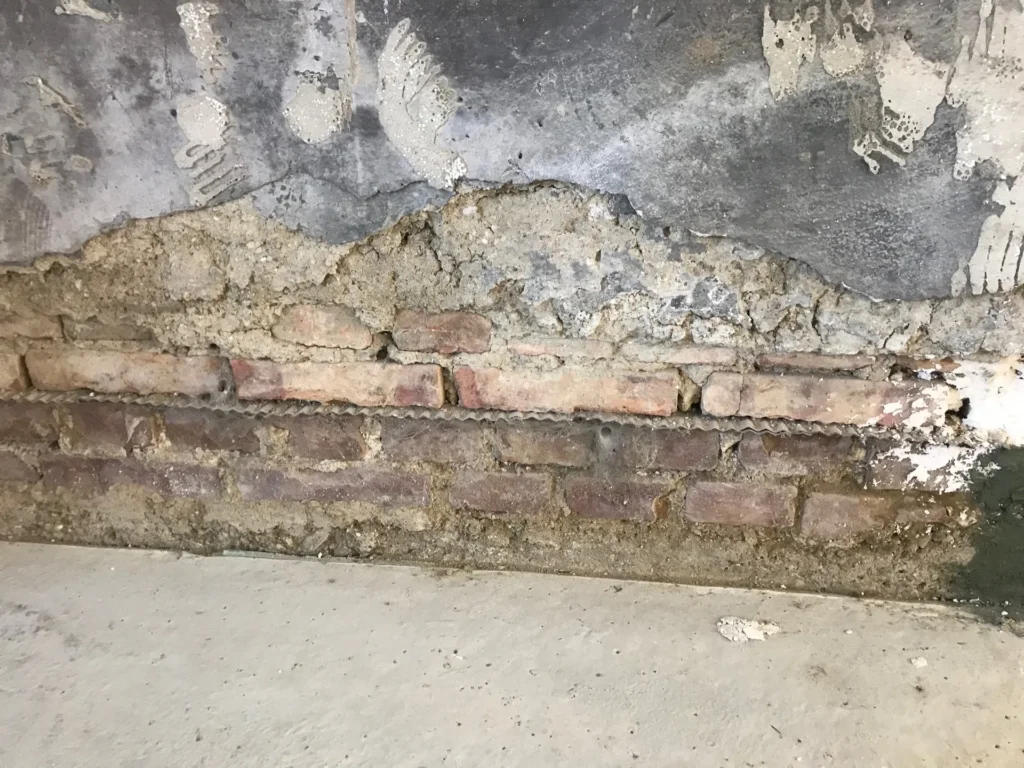
In the HW method, specially developed stainless steel plates are used to dry the masonry. These are driven into the bed joint of the masonry and arranged to overlap. This creates a continuous, water-impermeable seal.

The result:
The moisture cannot rise any further, the masonry dries out above the barrier and remains protected in the long term.

Special

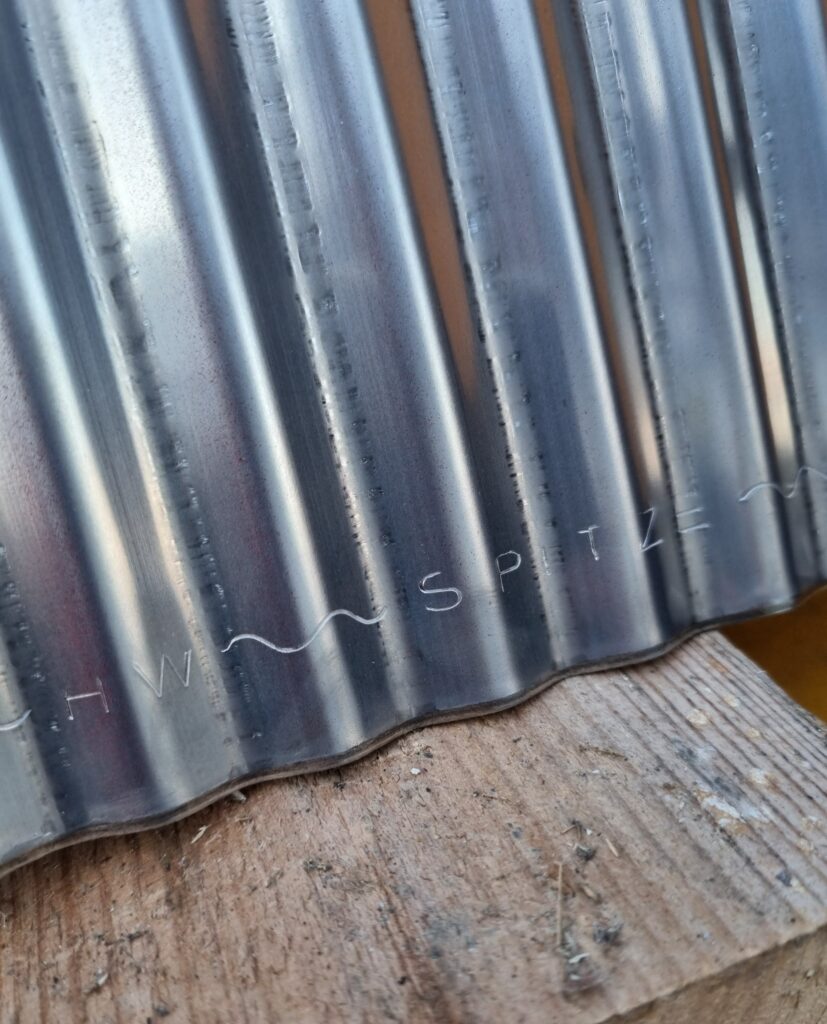
HW stainless steel plates: especially suitable for coastal areas

The CrNiMo panels made of chromium-nickel-molybdenum stainless steel are particularly suitable for demanding environments such as coastal areas or buildings with saline loads. 

Due to the molybdenum content, they have a high corrosion resistance to media containing chloride or halide and are therefore significantly more resistant to pitting and crevice corrosion than conventional stainless steels. 

The panels can therefore also be used permanently in maritime areas, in salty air or other aggressive environmental conditions.

HW horizontal barrier tip close-up
How it works

How wall drying works on Rügen

1. inquiry & initial consultation

You contact us and receive an initial assessment. We will then put you in touch with a suitable partner company on Rügen.

2. analysis on site

A specialist company will inspect your building, analyze the cause of the moisture and recommend suitable measures based on this.

3. installation of the horizontal barrier

The stainless steel panels are inserted into the masonry in a single work step (cutting and sealing take place on the same day).

4. drying & renovation

After installation, the wall dries out gradually. The affected area can then be visually repaired.

Advantages

Advantages of a mechanical horizontal barrier from a professional

Warning signal

Salt efflorescence is a warning signal

Whitish deposits on walls in Rügen are often misclassified. They do not automatically have anything to do with proximity to the sea or external pollution. 

In many cases, this is salt efflorescence that becomes visible due to moisture in the masonry. The water transports dissolved salts from building materials or the surrounding soil to the surface. There they crystallize. 

This is a clear sign that the wall is soaked and should be checked professionally.

Why salts

Why salts damage masonry

Salt efflorescence is not just a visual problem. 

When salts crystallize in or on masonry, they can exert pressure on plaster, joints and surfaces. In the long term, this leads to flaking coatings, crumbling joints and other structural damage. 

It is therefore not enough to simply remove or paint over the visible traces. It is crucial to stop the cause of the moisture. 

This is precisely where a professionally installed horizontal barrier comes in if capillary rising damp is the cause.

For which

Which buildings on Rügen are suitable for a horizontal barrier?

A retrofitted horizontal barrier is suitable for various buildings:

  • Older buildings without functioning waterproofing
  • Houses with damp plinth areas
  • Listed buildings
  • Walls up to approx. 1 meter thick

The prerequisite is that the masonry has a continuous bed joint. Whether the method can be used for your building is always checked individually on site.

Especially

Particularly relevant for older buildings on Rügen

Rising damp is particularly common in the plinth area of existing buildings and old buildings on Rügen. 

Many older houses were built without effective horizontal waterproofing or have barrier layers that have lost their function over the decades. 

If the problem is not rectified in time, the moisture will continue to spread through the masonry. A subsequent horizontal barrier is a sensible solution here to dry the masonry again.

Why

Why a thorough inspection before installation is so important

Before a horizontal barrier is installed, it should always be checked whether the masonry is suitable for the process. 

Decisive factors include the structure of the wall, a suitable bed joint, the thickness of the masonry and the general condition of the building fabric. 

Structurally sensitive or already severely damaged areas must also be professionally assessed in advance. This ensures that the chosen solution is not only technically possible, but also sensible in the long term.

Why

Why professional wall drying is crucial

Damp or wet walls have different causes. This is why a precise analysis by a specialist company is essential. This is the only way to ensure that the right measures are chosen.

Professional execution ensures that:

Get advice now

Horizontal barrier Rügen - get advice now

Do you have damp or wet walls and are looking for a sustainable solution? With a mechanical horizontal barrier, you can permanently protect your building from rising damp.

We will support you in choosing the right measure and put you in touch with an experienced partner company on Rügen.

en_US