Horizontal barrier

Horizontal barrier

Horizontal barrier

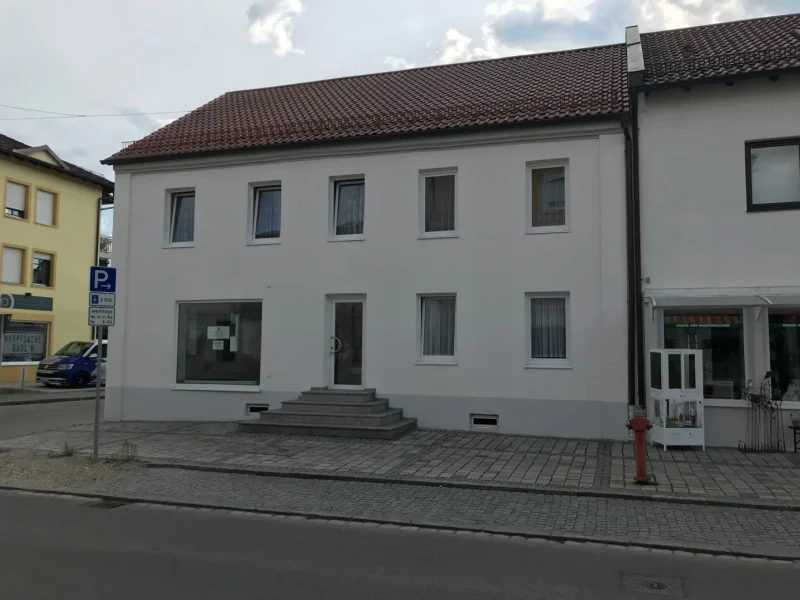
Horizontal barrier from HW-Mauerrockenlegung

The permanent and chemical-free solution against rising damp in walls: an HW horizontal barrier. We would be happy to advise you in detail about our products and find an HW partner near you!

Details

Effective solution

HW horizontal barrier - the effective solution for damp walls

Musty smell, peeling plaster or even mold in the cellar or living area? Then you most likely have damp walls and should act immediately.

HW wall drying has a absolutely safe process that protects masonry from rising damp and thus ensures permanently dry walls. We offer you patented stainless steel panels, which are manufactured by our partner companies in Germany, Austria and Switzerland., Czech Republic and other European countries as subsequent horizontal barrier can be installed in walls to mechanically interrupt the rise of moisture. 

1
Years of experience
HW wall drying logo
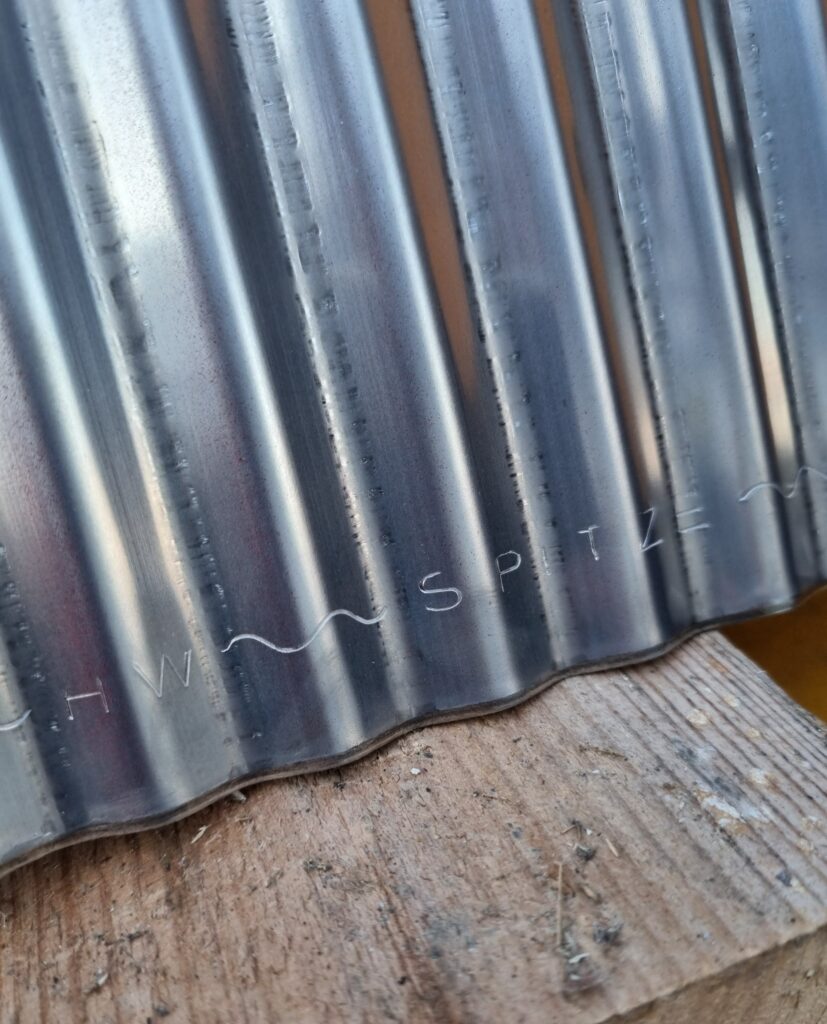
HW horizontal barrier tip close-up
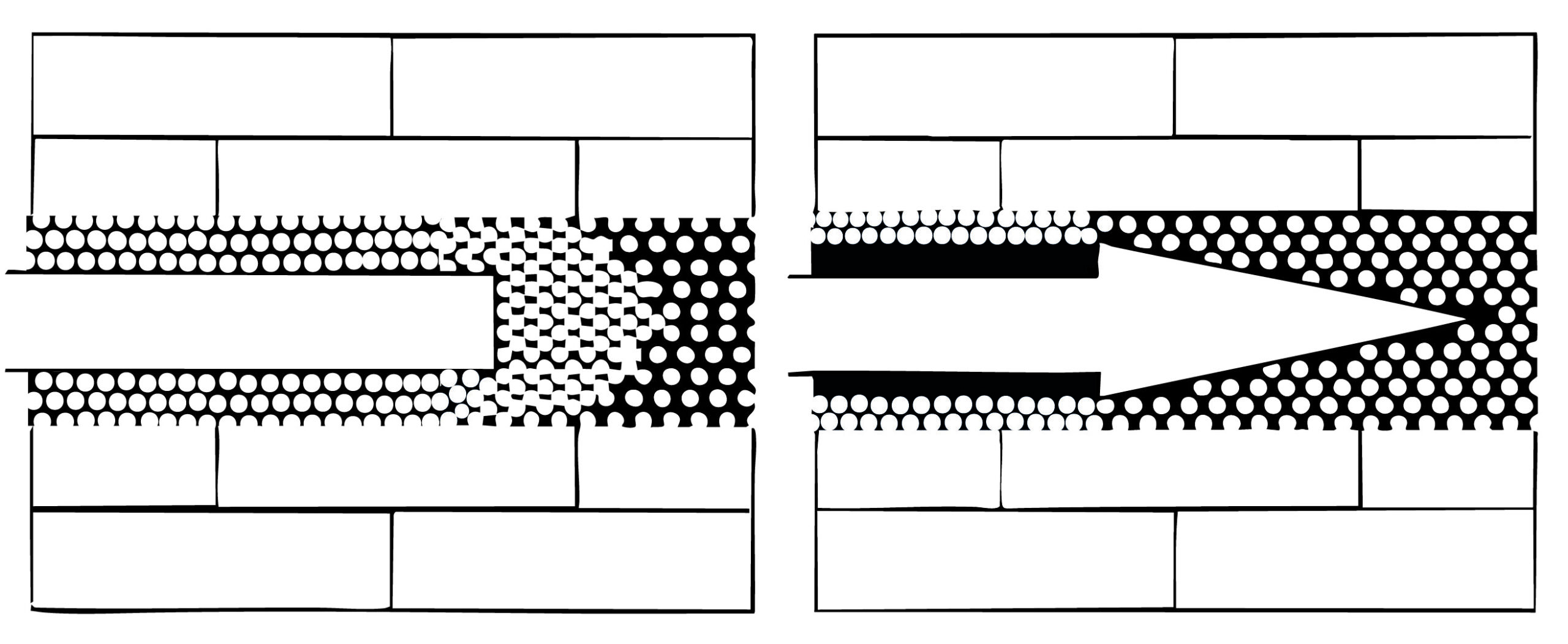
On the left a conventional chrome steel plate, on the right a chrome steel plate from HW-Mauerrockenlegung with the HW tip.
Function

How the horizontal barrier works

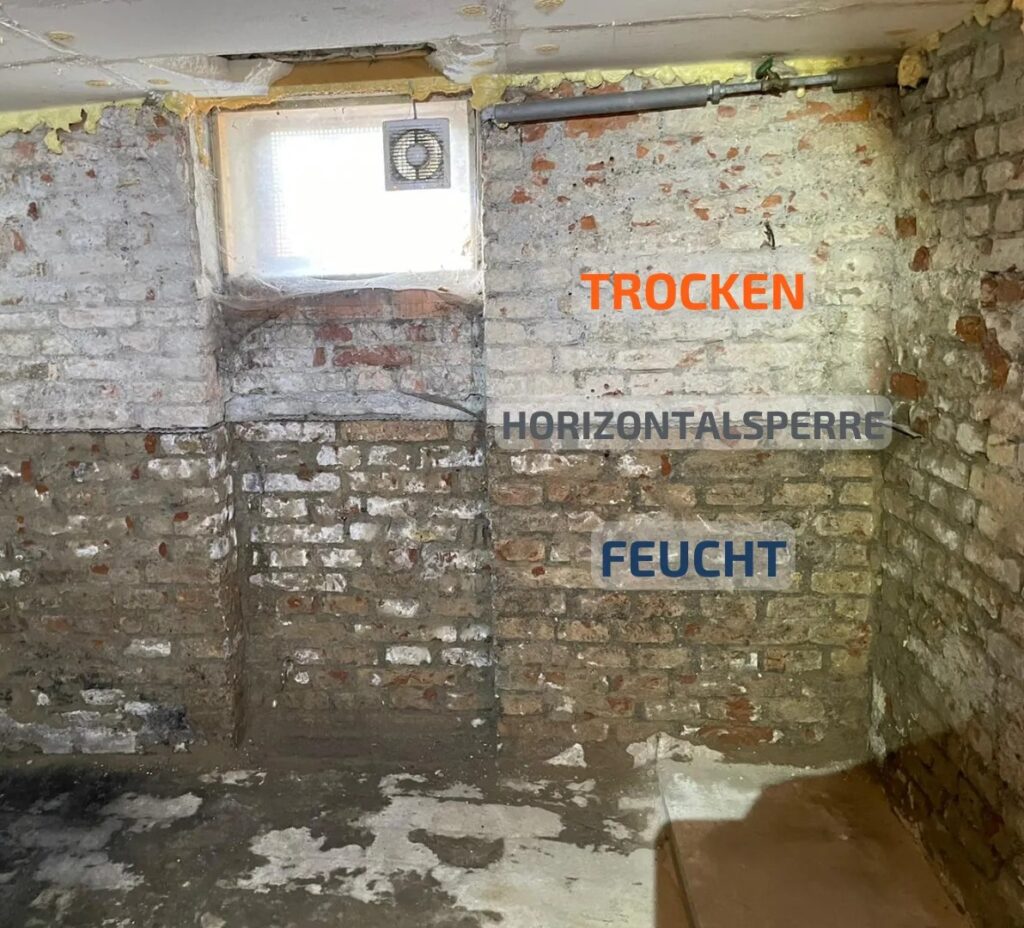
A horizontal barrier is a structural measure that prevents moisture from the ground rising capillary in the wall of a building. In new buildings, horizontal barriers are installed according to the current state of the art; in old buildings, they can be retrofitted. The aim is to completely interrupt the capillary effect of the masonry and thus prevent mold growth, salt efflorescence and structural damage (crumbling plaster, broken bricks) and create a pleasant indoor climate.

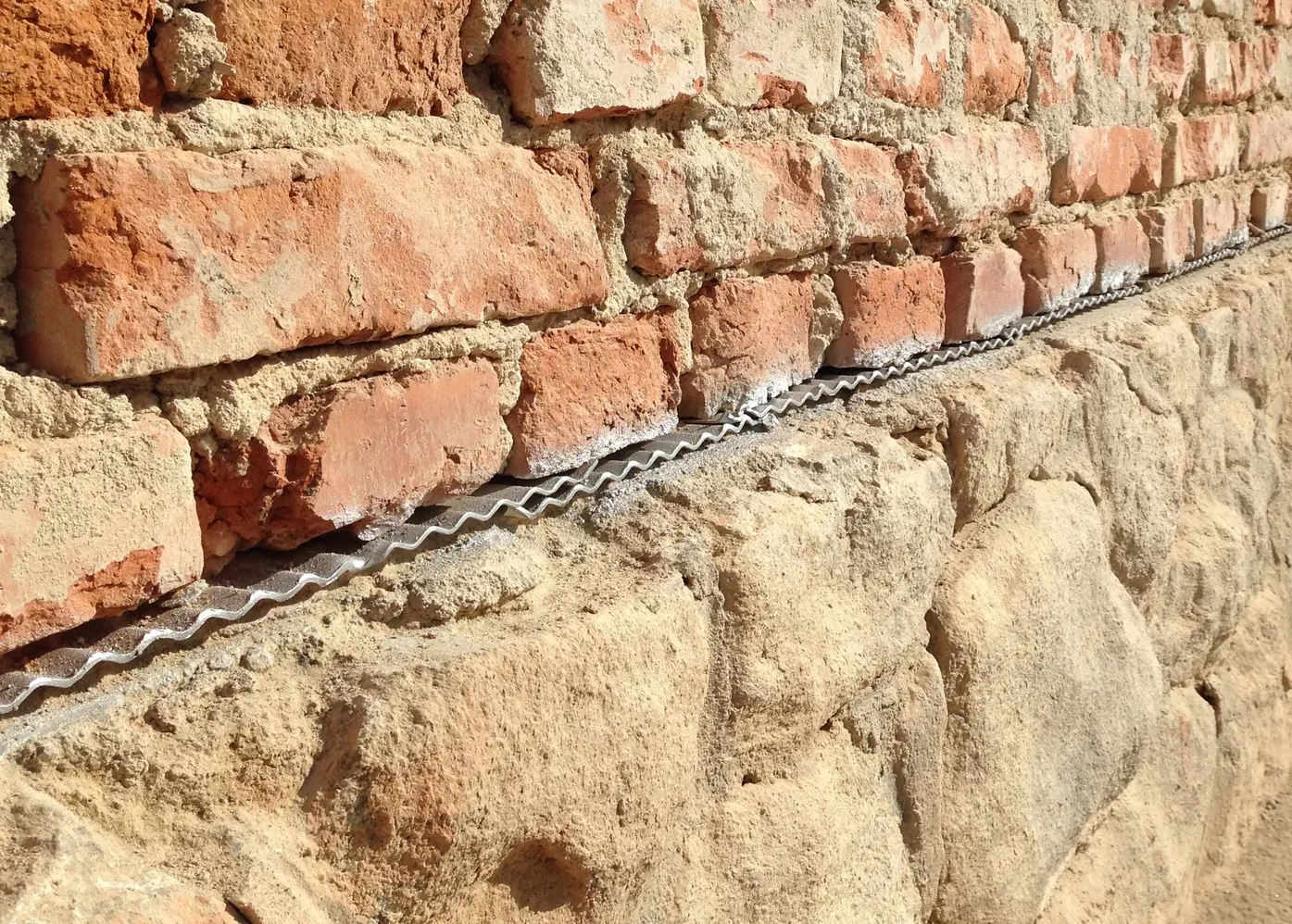
At the HW process specially shaped stainless steel plates are used, which are particularly robust and durable and can be driven in without damaging the wall. Chemical injections, drill holes or sawing open the walls are not necessary, which makes our method unique, environmentally friendly and gentle on the walls.

When

When is a horizontal barrier necessary and sensible?

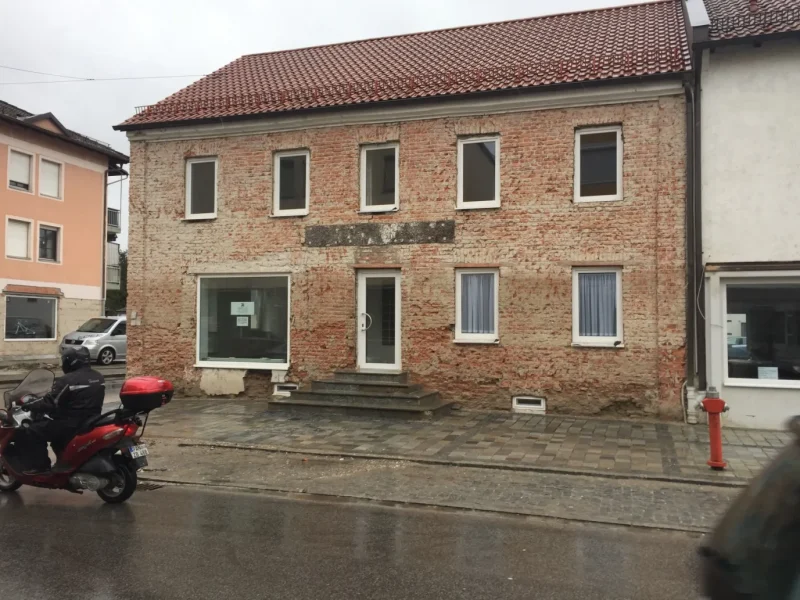
Are you noticing signs of moisture in the walls? Then it is very likely that the horizontal barrier is missing or defective. In old buildings in particular, there is often no or only an inadequate moisture barrier, which is why you will benefit from a retrofitted horizontal barrier.

The HW Horizontal barrier made of stainless steel plates is suitable for all types of masonry where a continuous bed joint is required. (8-10 mm) is present. The horizontal barrier also has an excellent effect on heavily damp or already damaged walls. 

The precise insertion of the stainless steel plates creates a durable and robust barrier that interrupts the capillary effect and reliably stops rising damp. Our solution is ideal for old buildings, listed buildings and walls with a high moisture load. If the vertical barrier is sufficient, HW horizontal barriers can also be used for basement waterproofing. The process is gentle on the building fabric and enables your walls to be permanently dried out.

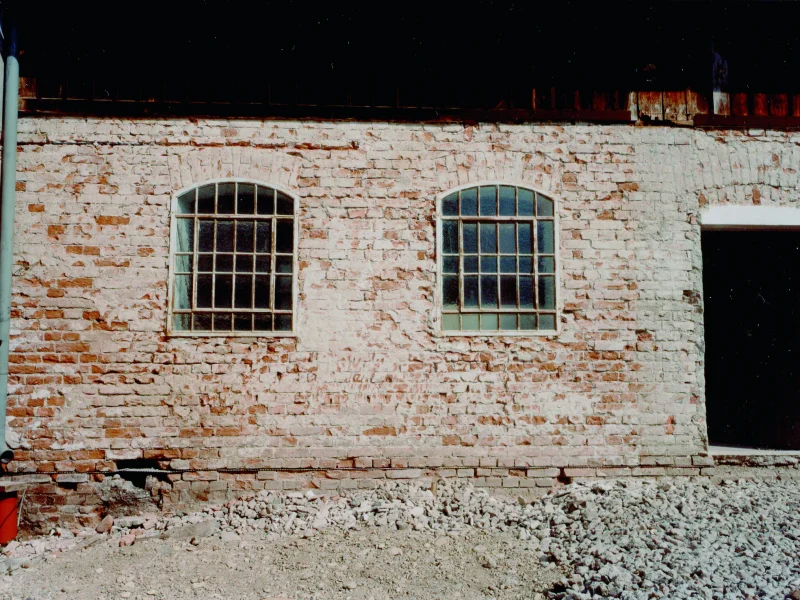
Horizontal barrier is installed
The species

The types of horizontal barriers

Various types of horizontal barriers are available for the subsequent prevention of capillary rising damp. These can basically be divided into Mechanical, chemical and electro-physical processes subdivide.

Mechanical processes

We are convinced that the problem of rising damp can only be permanently and effectively eliminated by a mechanical barrier. This is because only mechanical processes form an absolute moisture barrier. Professionally installed, they are comparable to a new building. As the tightness can be proven, they are one of the physically safe methods.

Single-stage HW process

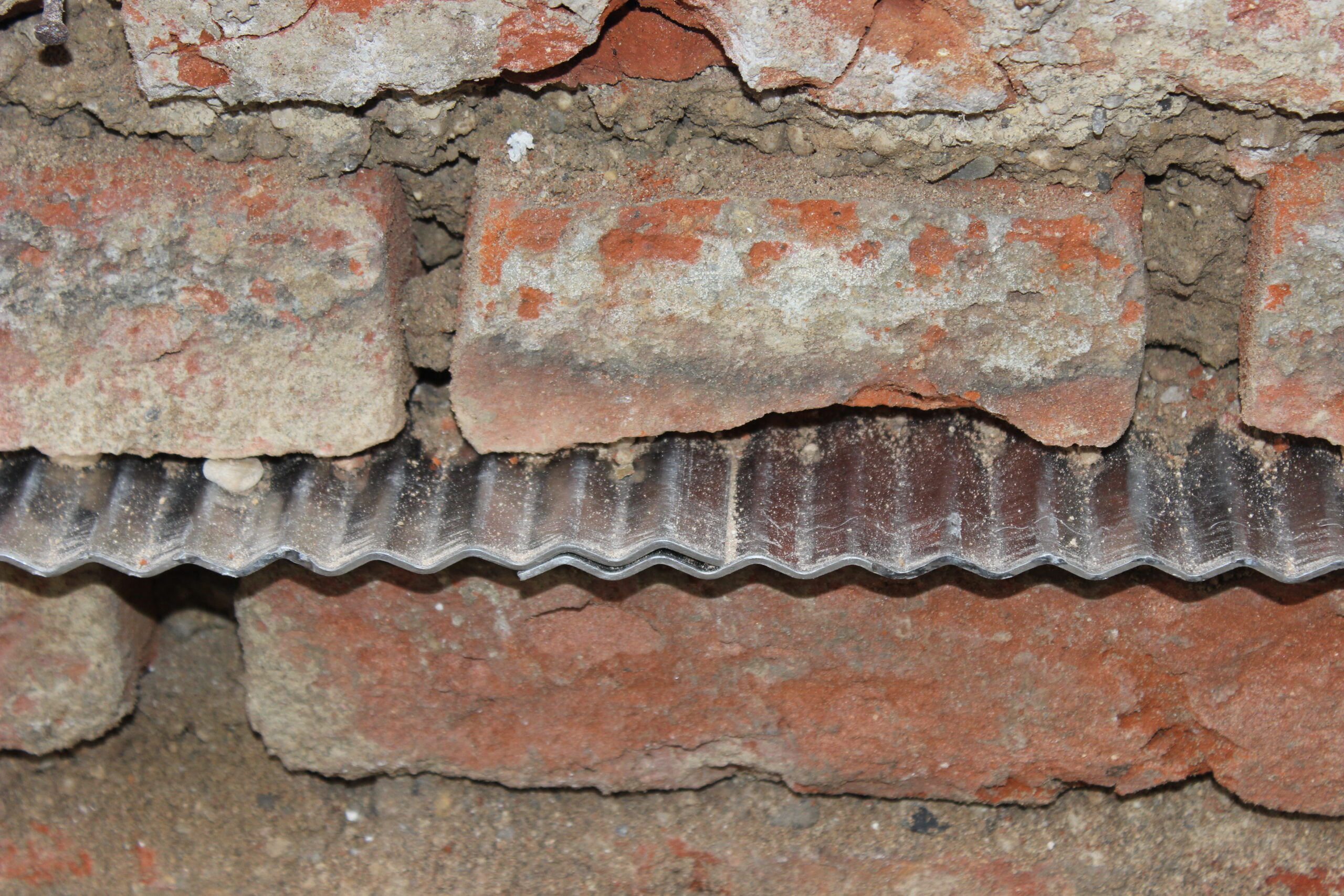
The patented HW process is the only process that enables cutting and sealing in just one step. 1.5 mm thickThe stainless steel plates are gently driven directly into the horizontal mortar joint of the masonry. Our products and the special method of driving them into the masonry are unique in their entirety. As no joint material is removed when driving in the slabs, there can be no subsidence. The HW point on the front of the panels displaces the joint material upwards and downwards during driving and compacts it by approx. 10%.

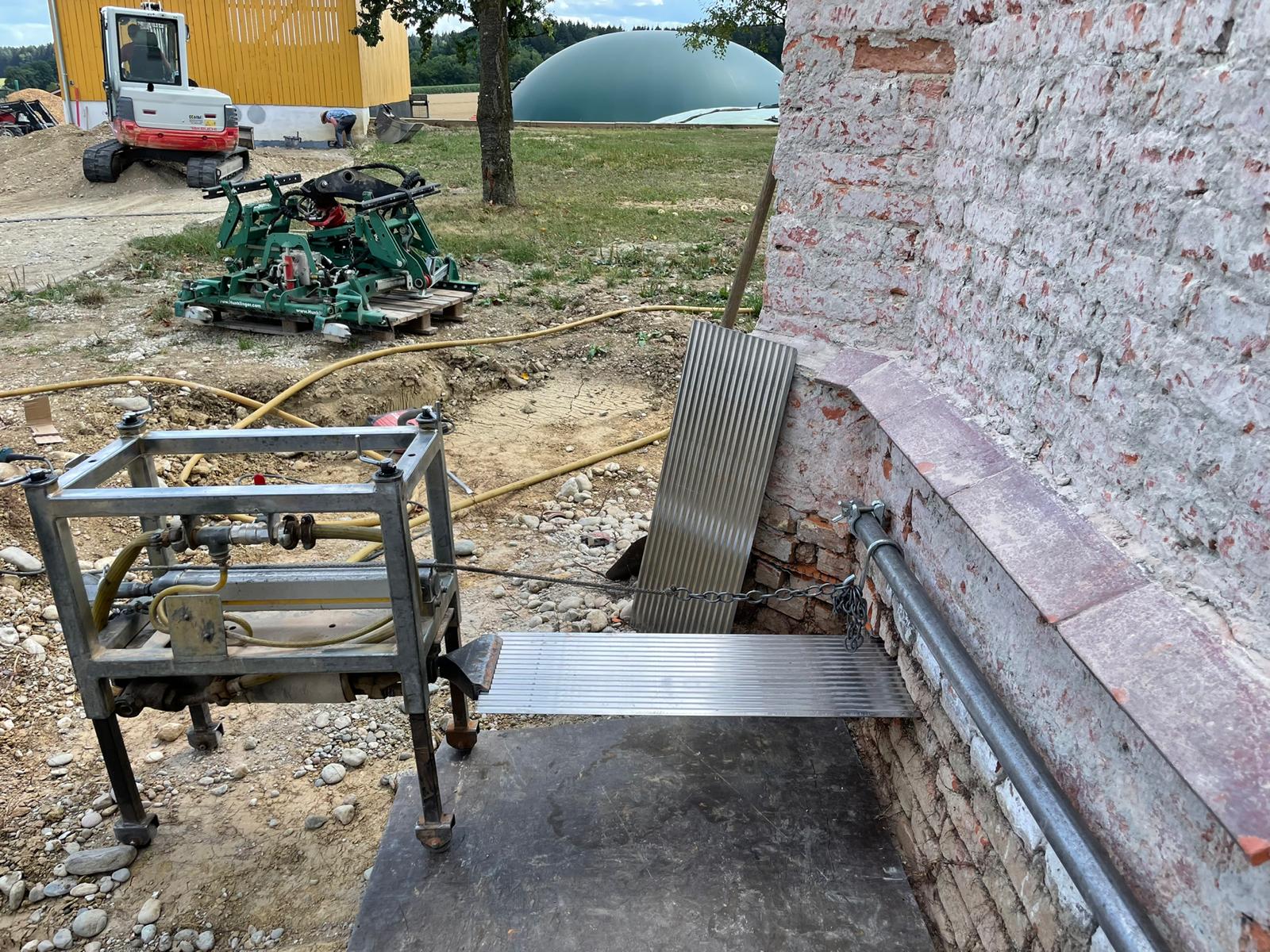
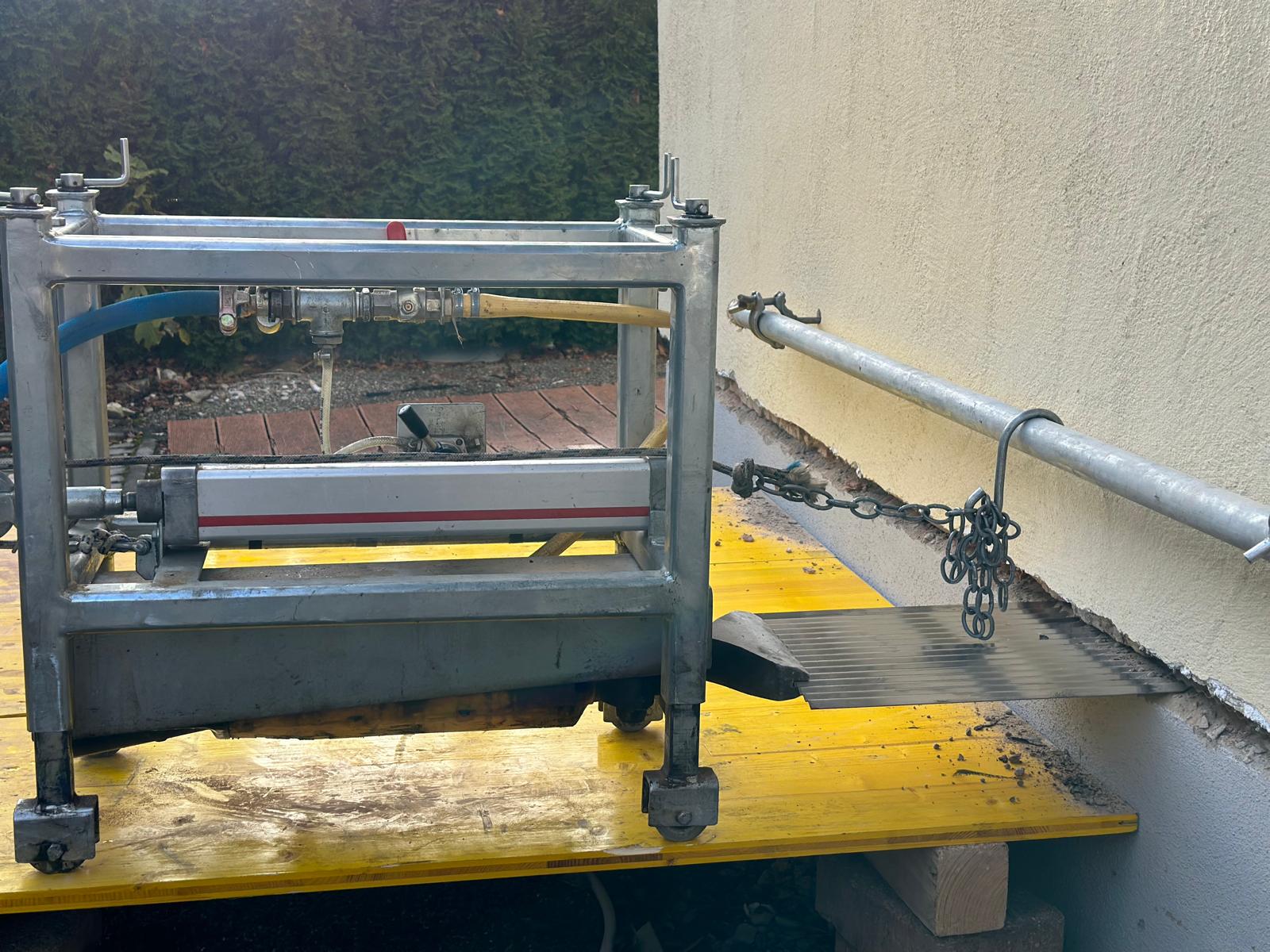
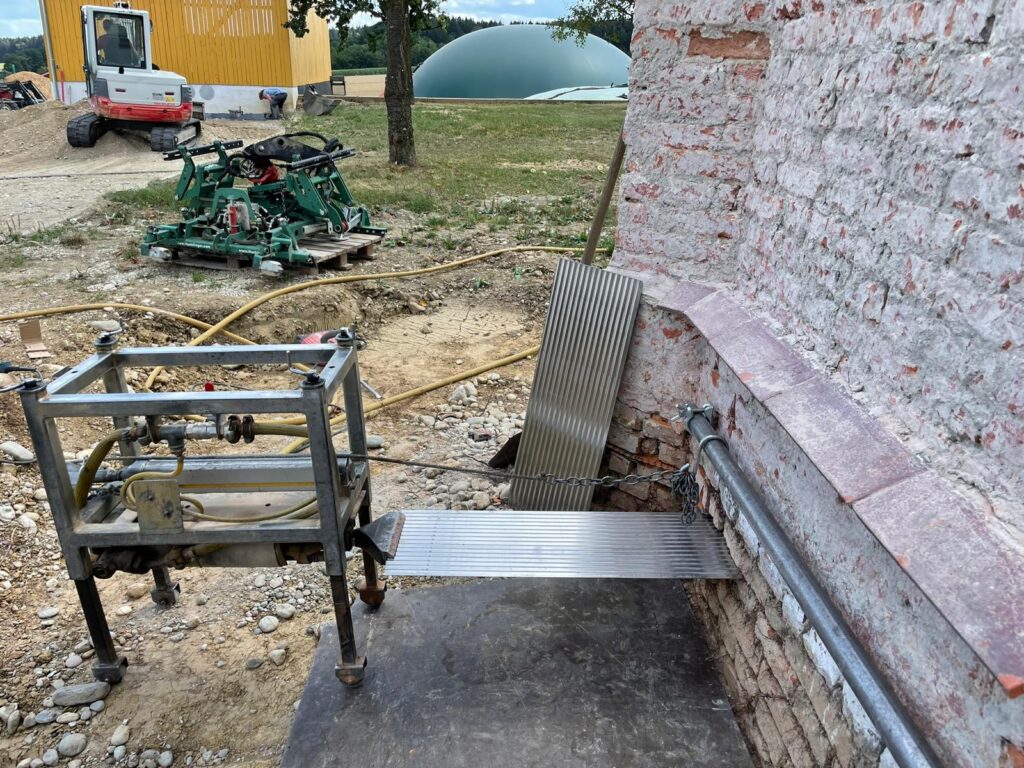
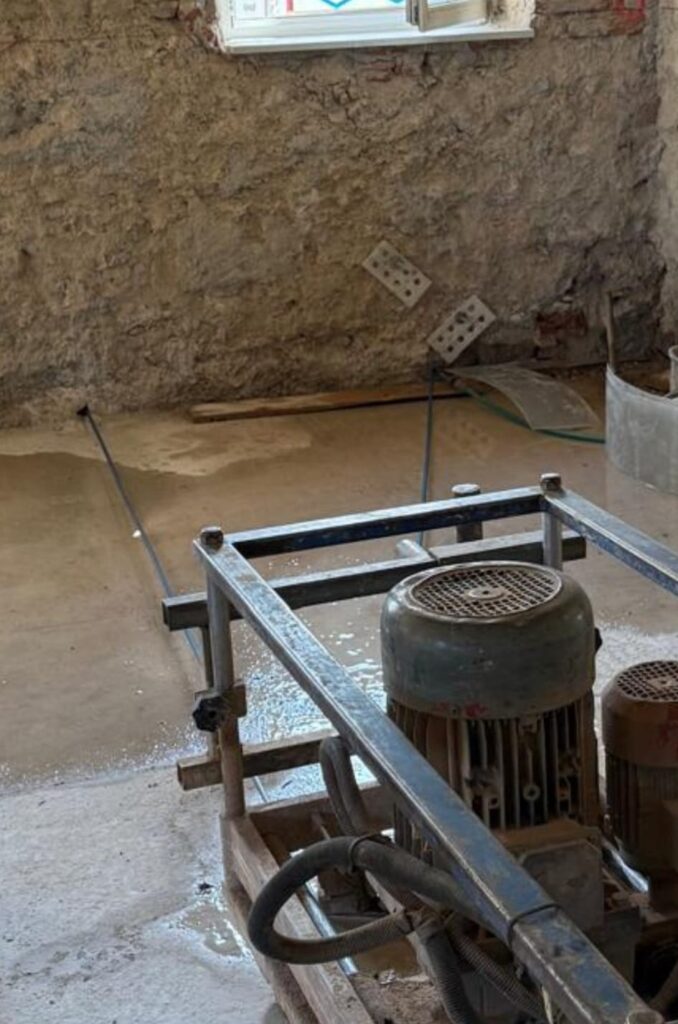
Using our pneumatic HW impact devices, with which we drive the HW stainless steel plates into the wall, we carry out the complete moisture insulation (separating & sealing) in a single work step.

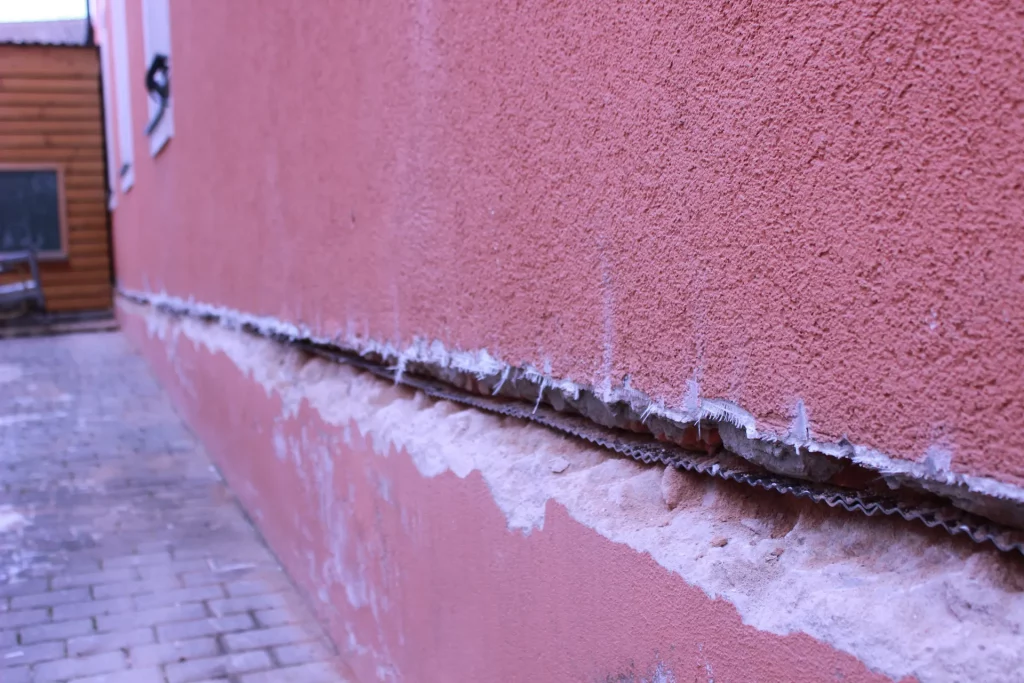
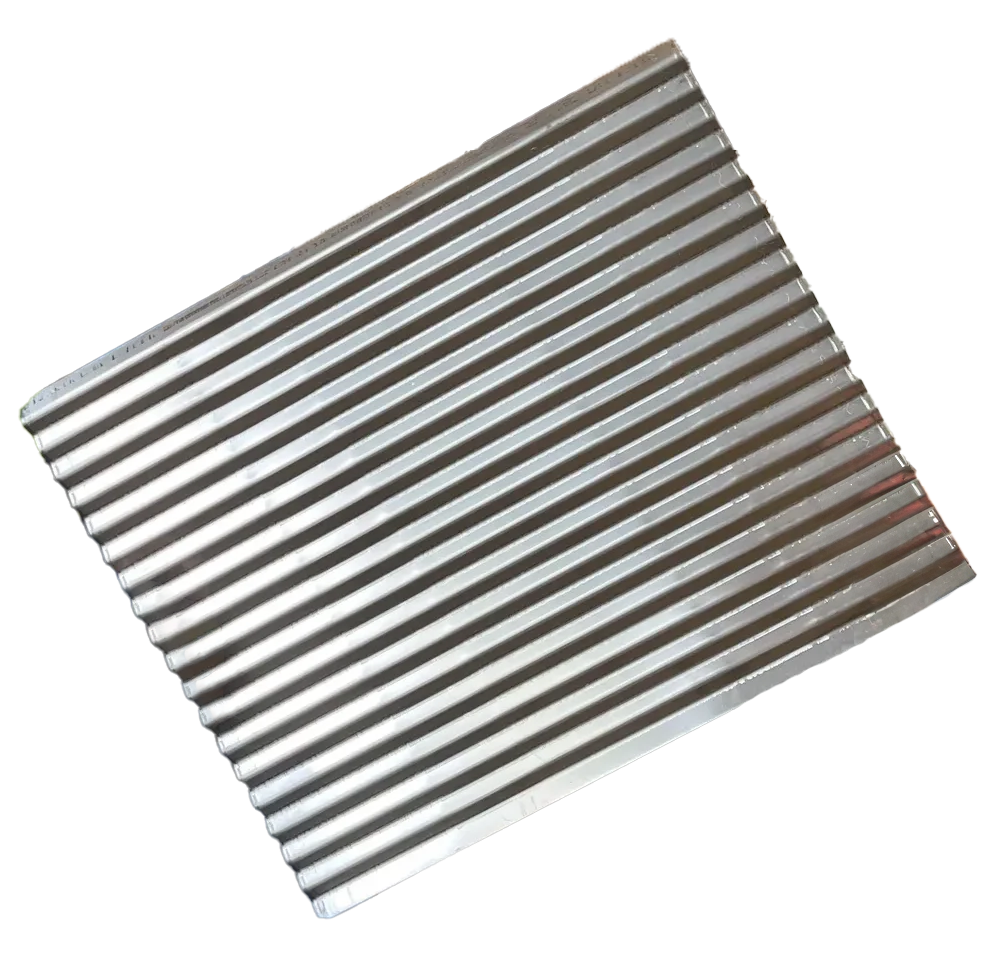
Our corrugated, overlapping stainless steel panels form a permanently impermeable, horizontal barrier against capillary rising damp in the Wall. The arrowhead-shaped front edge of the insulating panels greatly reduces the impact resistance by reducing the surface friction. Shocks and vibrations are thus reduced and damage to the building fabric caused by driving in the panels is avoided. As no masonry is removed during driving, no settlement can occur.

This technology enables the panels to be driven into masonry up to 1 m thick from one side!
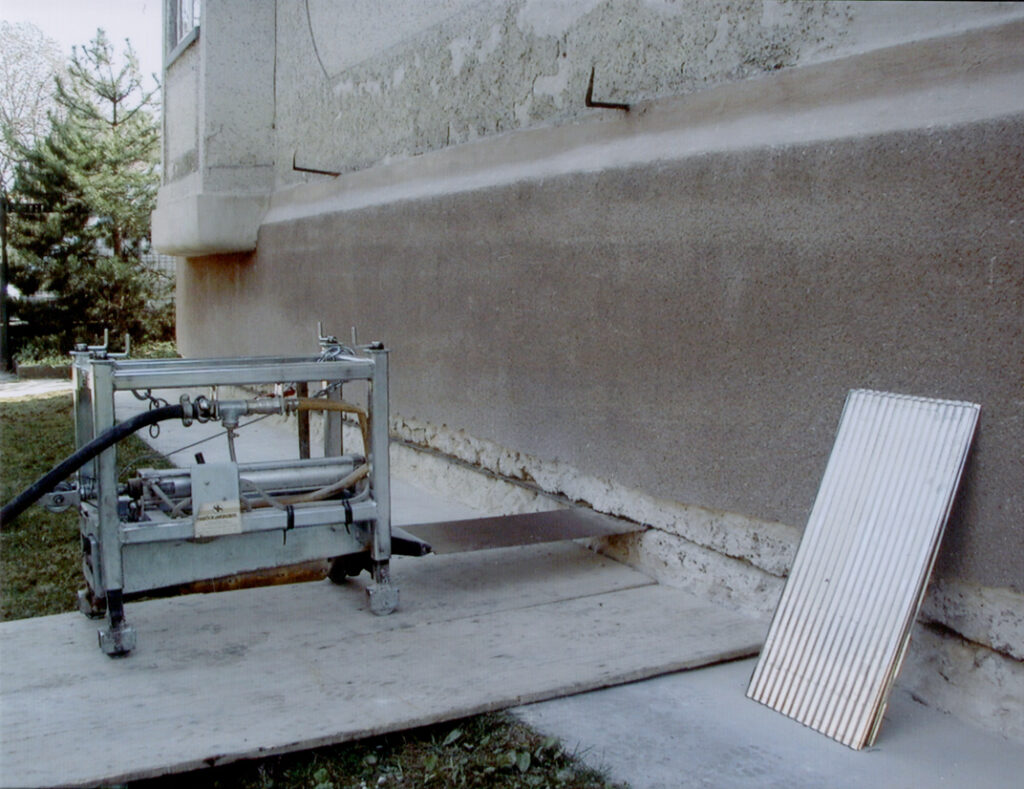
Built-in horizontal barrier
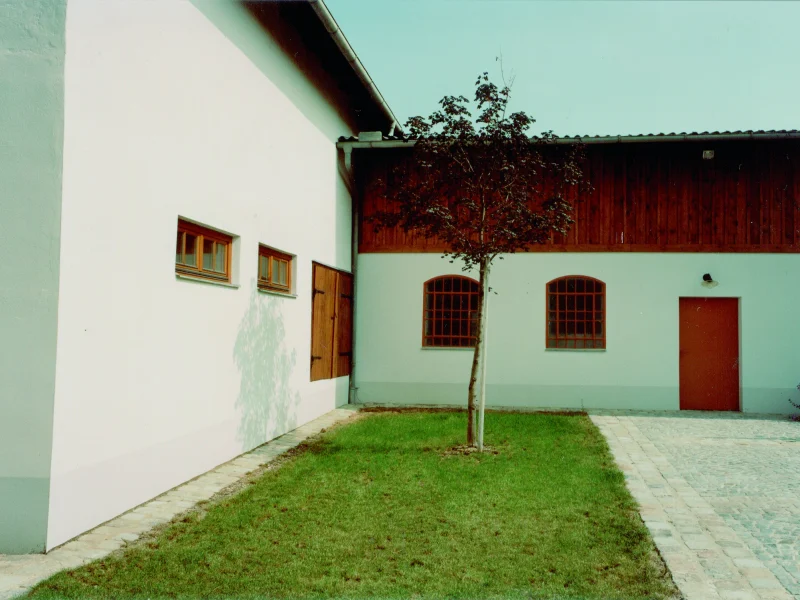
Horizontal sealing of an external wall
Two-stage wall cutting/sawing process

The wall sawing/cutting method is used if there is no continuous bed joint in the wall to be able to drive in the HW stainless steel panels or if the design of the joint (too narrow or too hard) does not allow the HW stainless steel panels to be driven in. 

In order not to jeopardize the statics of the wall, cutting is carried out in sections using a diamond wire saw or a saw blade. Due to the thickness of the cutting device, more joint material is removed than will later be filled by the sealant. After inserting the insulation layer, the joint is wedged out, grouted again with joint material and the next section is opened.

Other mechanical processes
Drill core method

Continuous drill cores are taken from the masonry. The row of drill holes is then filled with dense material. Due to the number of drill holes required and the use of diamond bits, this method is very expensive and is rarely used anymore.

Wall replacement method

In the wall replacement process, heavily soaked or damaged sections of masonry are removed in sections and replaced with new masonry with an integrated horizontal barrier. In view of the considerable intervention in the building fabric and the weakening of the structure, advice and support from a structural engineer is required.

Chemical and electro-physical processes

Our 50 years of experience in the field of wall drying have shown us that mechanical methods are an absolute moisture barrier and chemical methods are a relative moisture barrier. For the sake of completeness, we present other methods that are currently used to protect against vertically rising damp.

Injection

This chemical process is intended to create a water-repellent, capillary-blocking zone by the targeted injection (unpressurized or pressurized) of hydrophobic, capillary-constricting agents into the masonry. In practice, it has been shown that the effect depends heavily on the condition of the wall (moisture content, porosity, salt load, proportion of joints). Absolute proof of impermeability is not possible in practice.

Silicification

Silicification is a chemical method for subsequent wall drying. Aqueous silicic acid solutions or silicates are introduced into the wall via drilled holes. This can reduce capillary water transport. As with the Injection processthe effect depends heavily on the condition of the masonry. Absolute proof of tightness is not possible here either.

Electroosmosis

In this electro-physical process, the capillary rise of the pore water is to be influenced under the influence of a direct current field and pushed towards the ground. The practical operation of this method on damp masonry is still unclear and the method is highly controversial in technical circles.

How to proceed

Setting up a horizontal barrier: How to proceed

Based on our expertise and many years of experience, we advise against installing a subsequent horizontal barrier yourself. A permanently effective, absolute moisture barrier can only be achieved using mechanical methods - such as the HW method. These methods require precise execution, special expertise and appropriate technical equipment and may therefore only be carried out by qualified specialist companies. We recommend the following procedure:

Step 1: Determine wall moisture

Wall moisture is indicated by signs such as peeling plaster, salt efflorescence, dark stains and mold growth. We have summarized all the signs here:

Step 2: Make contact

Get in touch with us and we will put you in touch with our licensee in your area. If you prefer, you can also contact our licensees directly.

Step 3: Installing the horizontal barrier

Our HW partner installs our indestructible HW horizontal barriers in your masonry. Installation takes place in just one work step and is therefore time-saving, effective and gentle on the masonry.

Step 4: Renovate the wall

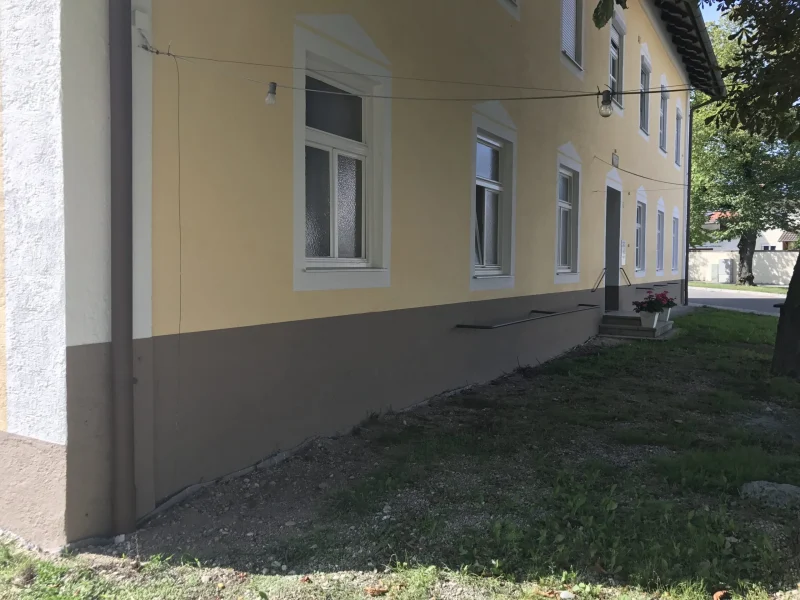
Once the wall above the barrier has dried out, the exterior of the wall can be renovated (plastering and painting). The horizontal barrier provides permanent protection against rising damp and requires no maintenance!

References

References

HW-Mauerrockenlegung has been ensuring permanently dry walls for 50 years - in Germany and Europe. Our work speaks for itself. Get an overview of our projects and see for yourself.

HW-Partner

Become an HW partner

Are you a trade business or construction company and would like to dry out walls using the HW method? Get in touch with us to request further information and become an HW partner.

HW wall drying - horizontal barrier

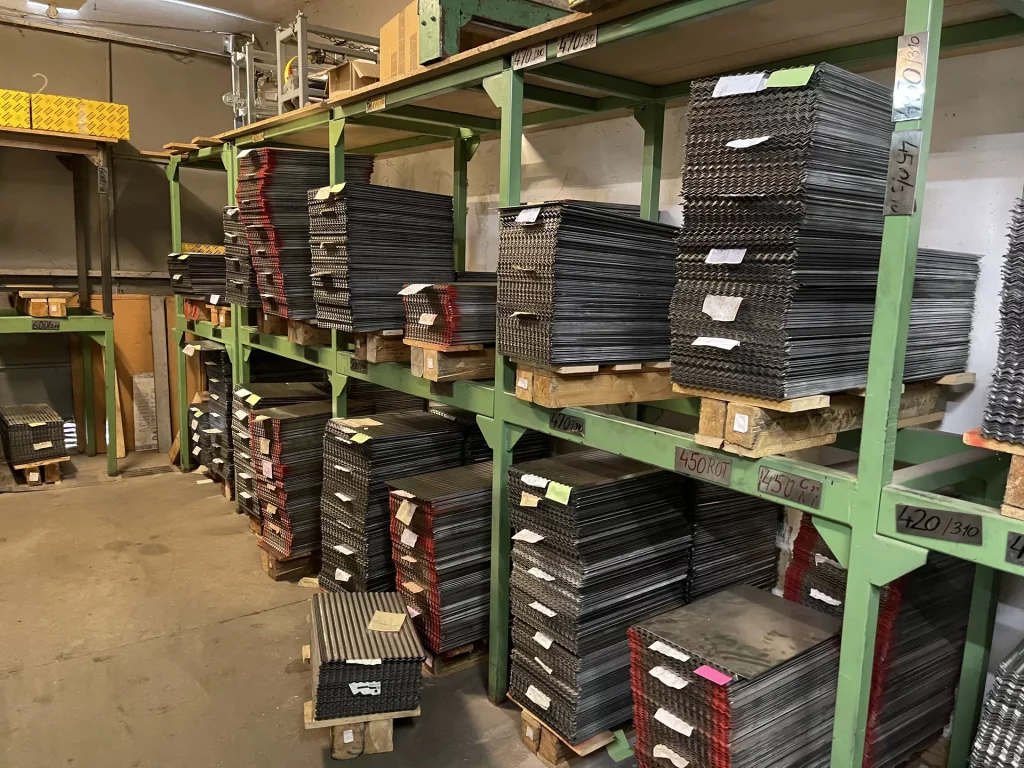
HW stainless steel plates

As an HW partner, you may use licensed HW stainless steel plates for wall drying. The patented HW steel plates can be purchased from us in the desired quantity.

HW stainless steel process in use

HW impact devices

The panels are driven in with a HW impact device which, in combination with our panels, enables them to be driven in without damaging the wall. This can be purchased from us as a partner.

Technical know-how

If you have decided to work with our HW system, we will provide you with practical training and detailed instructions on technical implementation.

More

Further questions and answers on horizontal barriers

Drainage of a wall

How much does a horizontal barrier cost?

The costs for wall drying using a horizontal barrier are determined by the respective HW partner companies.

They vary depending on the site conditions, such as the size of the wall cross-section to be drained or accessibility to the masonry. The structural features of the building, such as the number and type of corners (external or internal corners) and the composition of the wall joints, are also determined on site and the amount of work required is estimated.

We will be happy to provide you with further information or individual advice on wall drainage with HW horizontal barriers. Please feel free to contact us!

What is the difference between the horizontal and vertical lock?

The major difference between horizontal and vertical barriers is that horizontal sealing of the walls prevents the vertical capillary rise of soil moisture in the masonry. Vertical waterproofing, on the other hand, prevents moisture from penetrating into the area of the side walls in contact with the ground and is relevant, for example, for basement waterproofing and for damp-proofing other underground structures. Vertical barriers can - depending on the circumstances - be installed internally or externally, whereby an external vertical barrier is preferable.

Is a HW horizontal barrier also suitable for waterproofing basements?

Our HW partners will assess whether our method is suitable for your cellar - or other walls in your building - on site. The cause of damp in the masonry in the cellar is usually not only the vertical rise, but also the lateral penetration of moisture from the surrounding soil. When renovating a basement, a horizontal barrier only makes sense in combination with an intact vertical barrier. It should be noted that the horizontal barrier must be installed first, as this must be integrated into the subsequent vertical insulation.

It is best to seek advice on basement waterproofing from a specialist company.

Wall drying

HW wall drying
Once drained - never again damp walls

The HW Mauertrockenlegung process offers you a dense, verifiable, Permanent and maintenance-free measure to combat damp walls. Are you interested? Then get in touch with us and let us advise you personally.

en_US