

What moisture protection has to do with thermal insulation
Moisture has a lot to do with heat. A Good moisture protection is the basis for good insulation.
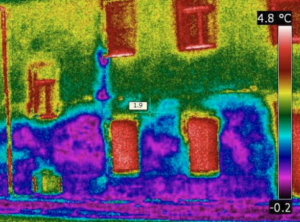
A view of a damp façade using a thermal imaging camera
Uwe Kiesewetter, expert for wood and building protection and managing director of HKH Planitzer Holz- und Bautenschutz GmbH, reports on the exact correlations in his dossier "No thermal insulation without moisture protection!".
The most important contents are presented here:
Moisture protection influences the energy performance certificate
In 2009, the energy performance certificate was made mandatory in Austria. In order to achieve good values here, it is not enough just to rely on good heating and thick facade insulation.
Instead the insulation must also include adequate moisture protection to be added.
However, this is missing in many buildings or is now ineffective. And this means that the affected buildings are soaked with moisture - which on the one hand causes structural damage, but on the other hand also reduces the thermal insulation by up to 50 %.
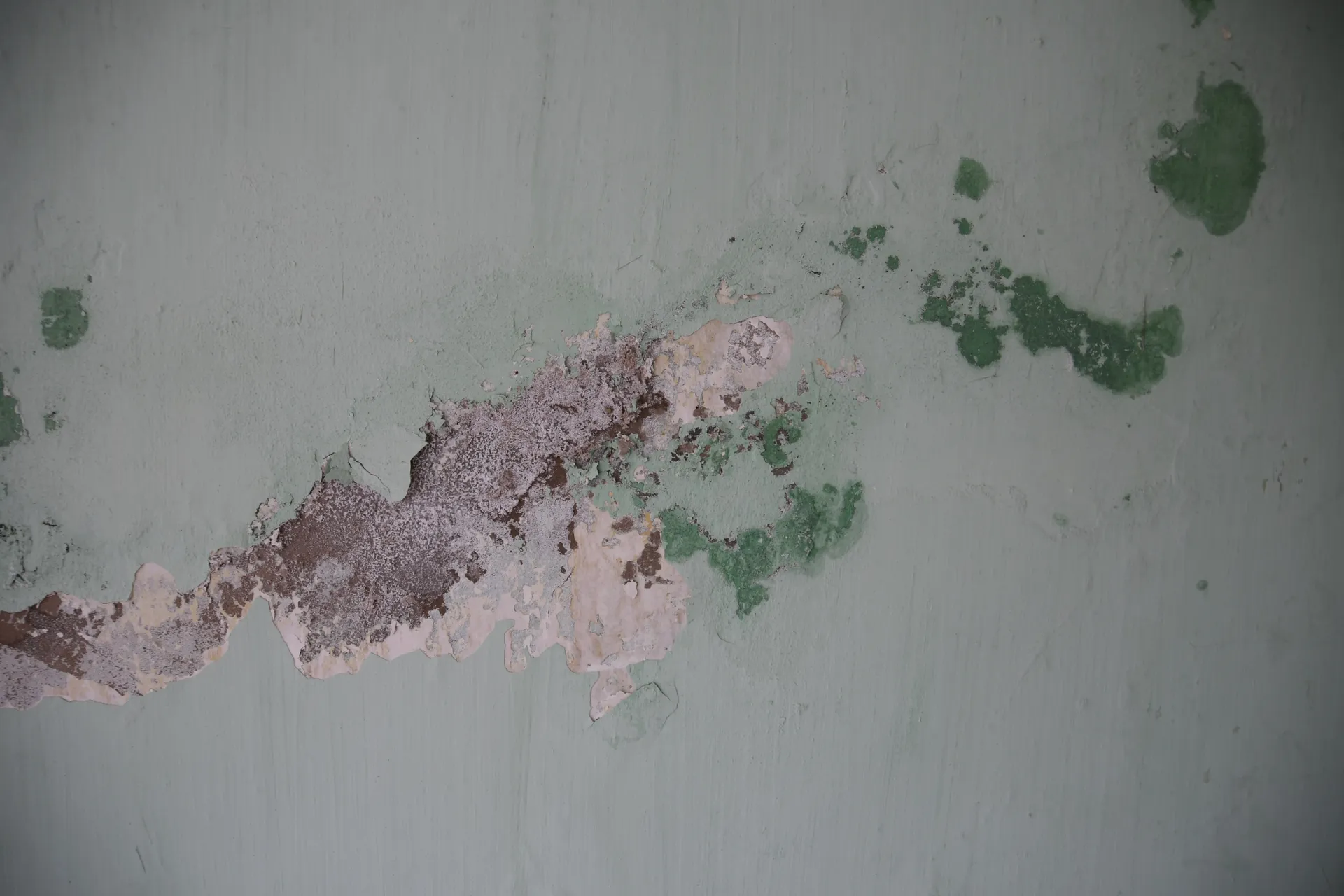
Consequences of moisture penetration of the masonryIf the seal against moisture and water is no longer in place, a wide variety of consequences can arise. The dossier mentions:
|  |
Restoring moisture protection: how it works
Professional sealing against rising damp in masonry can be achieved using various methods.
Three procedures are therefore recommended in Uwe Kiesewetter's dossier:
- HW stainless steel process
- Saws
- Wall replacement
Why he did this mechanical process recommends? Because these form verifiable and tight barriers and therefore permanently stop the capillary transport of water in the masonry.
In addition, the market also offers the process with chemical injections offered. The dossier points out that its However, effectiveness not assured be.
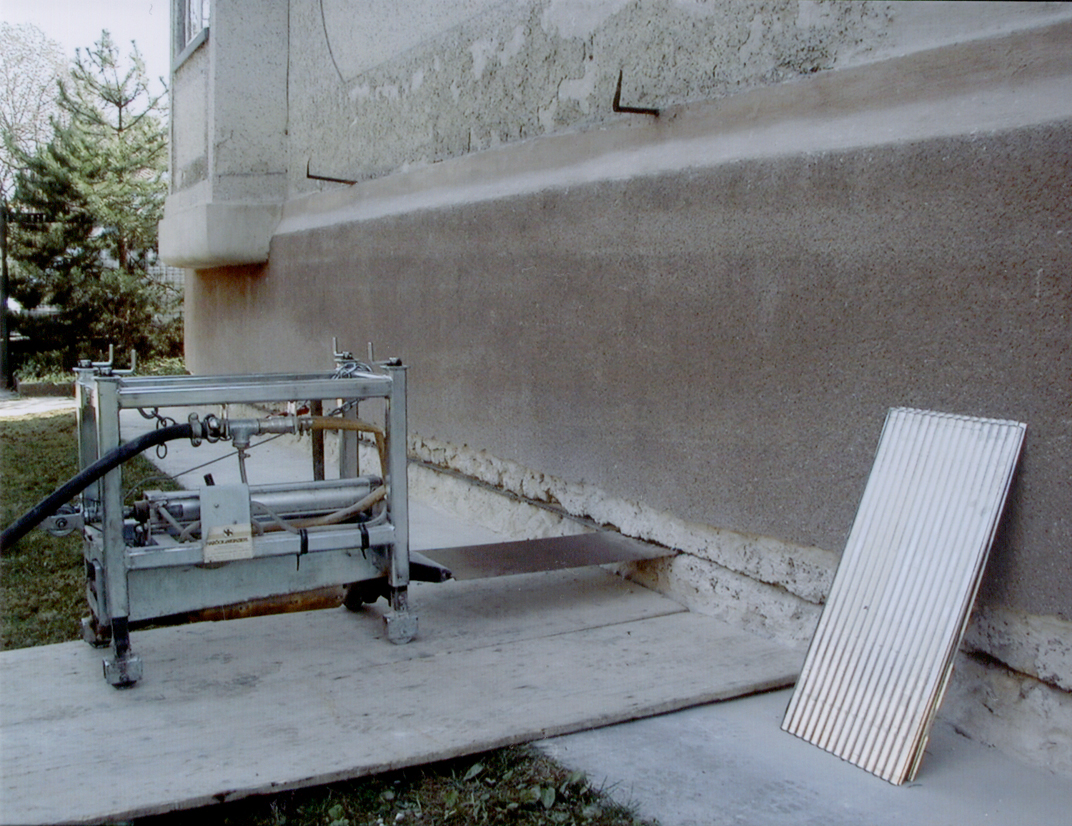
The HW stainless steel process | Here you can see the HW stainless steel process:
|
Tip from the author on moisture protection
The author describes two tips on moisture protection in his dossier:
He calls the removal of wall moisture the Basis for all subsequent refurbishment measures. Renovation without adequate prior protection against moisture and water cannot be successful in the long term.
Mr. Kiesewetter emphasizes the value-preserving properties masonry drying for real estate.
Would you like to read the whole dossier? Then you can download it here!
Moisture protection - Summary
Moisture and water damage buildings, reduce their thermal insulation capacity by up to 50% and destroy the fabric of the building. Buildings must therefore be protected against this.
If capillary rising damp is the cause, the dossier by Uwe Kiesewetter mechanical processes such as the HW stainless steel process recommended.
With this method, the masonry is separated and sealed in a single step. The latter is carried out using a horizontal barrier made of stainless steel plates that are driven into the masonry. Thanks to the HW stainless steel tip and the way the plates are driven in (pneumatically with a high number of blows), the wall is not damaged. The horizontal barrier forms an insurmountable barrier for water so that it can no longer rise in the masonry.
This makes subsequent moisture protection possible without any problems!
You have questions about horizontal barriers? We will be happy to answer them!
Do you have damp walls and want to dry them out again? We are happy to support you quickly and professionally in this case!
Simply take a non-binding Contact to us.


